Reduce CCTV Camera False Alerts
Let’s now discuss alerting and why it is so crucial to lower false alarms. After that, we can suggest various approaches for getting this done successfully.
Why is it crucial to your CCTV system if it is so alerting? Closed-circuit television, or CCTV. Closed Circuit describes a signal that is restricted to the space and physical connections that the installers and users have approved. Security camera systems that used comparable broadcast techniques required a title to indicate that they would not be accessible by conventional television channel tuning but would only be available to the local connections when television broadcast was still a relatively unregulated concept.
The main aim of CCTV was to serve as security cameras, and the concept of alerting was and would have been alien to the earliest/first CCTV systems in use. CCTV is no longer a network of television-style links, but the term has remained as a relic of the past. However, given that all contemporary systems use some type of digital recording and transmission, calling these systems security camera systems would probably be more accurate. The use of digital technology is what initially made alerting feasible.
The cameras used in modern CCTV systems are either IP/Network based cameras or DVRs and Digital over COAX cameras. Powerful technology included into the cameras and/or recorders enable them to offer features like alerts and remote viewing.
DVRs, NVRs, and IP cameras have processing capability that enables them to use tools to track footage in novel ways. For instance, almost all of the CCTV systems we use today have the ability to detect motion. Each frame of video that is capturing and coming in live is examined in order for motion detection to function. If there is a sizable enough shift in the image’s pixel location between the arriving and outgoing frames, this is regarded as “motion” in the scene. Now, there are a variety of triggers that can result from this, but the most frequent ones are alarms, 24/7 recording with motion logging, and active recording. Simply simply, a CCTV system alert occurs when a rule trigger is triggered and there is a mechanism to immediately notify you, the user, that this incident has occurred, hence “alerting” you.
Despite its enormous benefits, there may be some negatives from this, which is why you’d like to be able to lessen false alarms. False alerts are notifications that happen when one most likely wouldn’t want them to happen. They aren’t necessarily false in the sense that they aren’t true or actual. If your backyard is being monitored by a camera, for instance, you probably aren’t too bothered if a stray cat or a squirrel wanders through at two in the morning, nor would you want to be awakened to be informed of this. However, if you have motion detection set up but it isn’t exactly to your demands and requirements, you can get notifications for precisely when these kinds of situations happen. Obviously, you don’t want to turn off motion detection totally, but if you don’t stop the false alarms, they might become bothersome. How may false alerts be decreased, then?
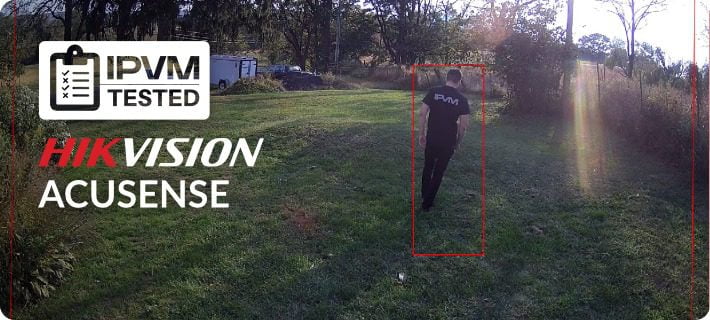
First, if employing motion detection, try using the most recent SMD technology—also known as Smarts Motion Detection—on our top systems. SMD operates by removing any motion targets that aren’t humans or cars thanks to an AI system. This implies that you’ll experience significantly less triggers and that you can further modify the motion sensitivity levels to better suit your objectives.
Other technologies for alerting completely exist as well, such as Intelligent Video Surveillance rules like Tripwire and Intrusion Box. With Intelligent Video Surveillance, often known as IVS, you may mark up the camera view with lines and boxes. This means that far more specific circumstances are required for the alerting and reactions to take place.
Last but not least, you can schedule the times at which these rules should apply. You can even temporarily turn off alerts altogether by visiting the smartphone app for your CCTV system and doing nothing more complicated than turning the slider off.